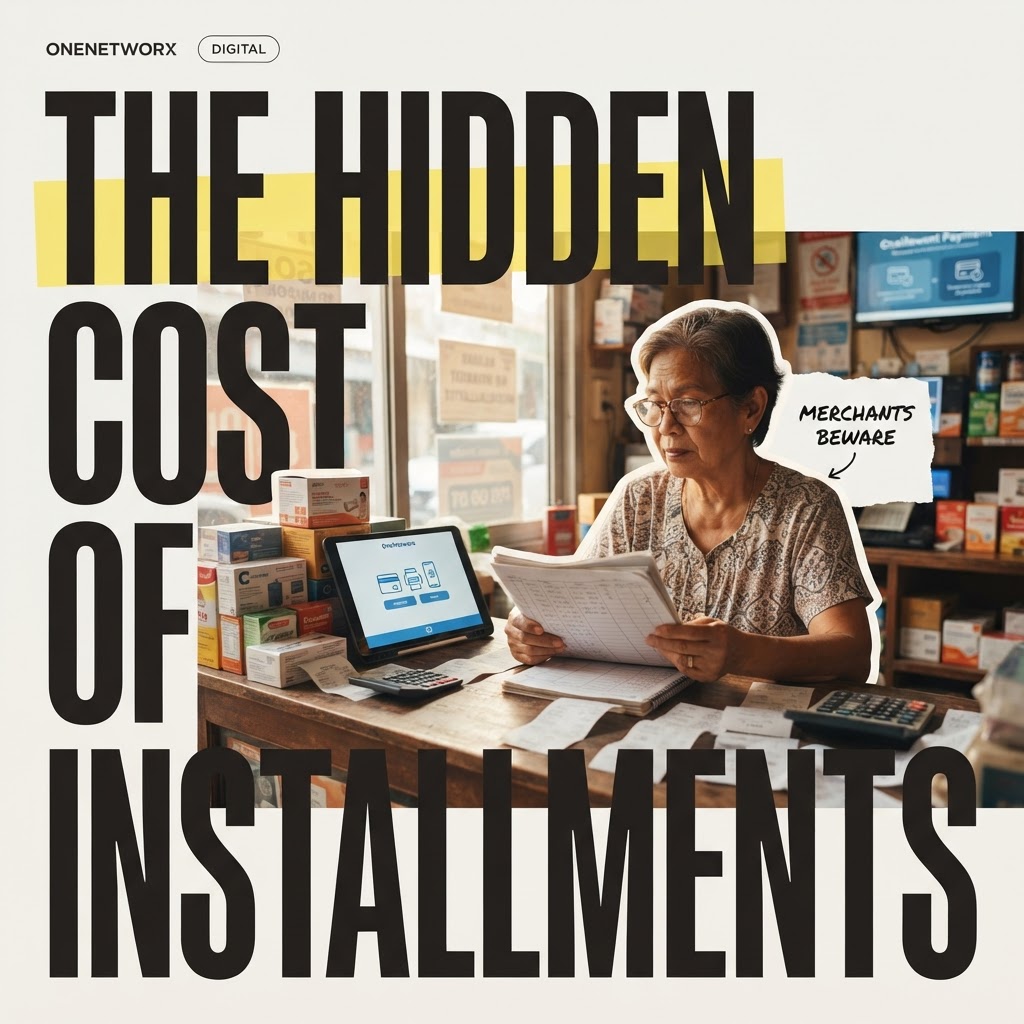
A customer adds three items to their cart, hesitates at checkout, then notices the option to split the payment into four installments. They finish the purchase. The merchant sees a completed sale and assumes the deal is simple: the customer pays later, the platform handles collection, everyone wins.
That assumption is where many small and mid-sized sellers get it wrong. Buy now, pay later arrangements and installment apps have become a standard checkout option across online stores, from fashion resellers to electronics shops to service providers offering package deals. They are marketed as a way to convert hesitant browsers into buyers. For many merchants, they do exactly that. But the economics behind the transaction are rarely explained with the same clarity as the economics of a straight cash sale, and that gap is costing business owners more than they realize.
The Appeal Is Real
It would be dishonest to frame installment payment options as purely harmful. They solve a genuine problem. Many consumers, especially younger ones and those without traditional credit cards, want to make larger purchases without paying the full amount upfront. Offering installments can lift average order values, reduce cart abandonment, and open a business to a segment of shoppers who would otherwise walk away at checkout.
For a merchant selling appliances, furniture, or higher-ticket services, this can meaningfully expand the addressable market. A customer who cannot justify paying the full price in one transaction may happily commit to four smaller payments. The sale that would not have happened, happens.
This is the pitch, and it is not wrong. The problem is that it is incomplete.
Where the Cost Actually Hides
When a merchant accepts an installment payment, the platform facilitating it is taking on risk and administrative work, and it prices that in. The fee is usually higher than a standard payment processing fee, sometimes substantially so, because the provider is effectively extending short-term credit and absorbing the possibility that the buyer defaults.
That fee is rarely presented as a single, obvious number on the checkout screen. It is deducted from the settlement amount, bundled into a "merchant discount rate," or described in integration documentation that most small business owners never read line by line. The business owner sees the full sale price reflected in their order total, but the amount that actually lands in their account after settlement is lower than it would be for a cash or single-payment transaction.
The second hidden cost is timing. Installment platforms often settle funds to merchants on a different schedule than standard payment methods. A merchant who has already shipped the product, paid for materials, or delivered the service is sometimes waiting longer for full payment to clear while simultaneously carrying the cost of fulfillment. For a business with thin margins and tight cash flow, this lag is not a minor inconvenience. It is a structural strain that compounds with every installment sale added to the mix.
The third cost is less visible but just as real: the opportunity cost of pricing decisions made without this information. A merchant who does not know their true net margin on an installment sale cannot price that product correctly. They may be selling at what looks like a healthy markup on paper while actually operating close to breakeven once the fee and settlement timing are accounted for.
The Return and Dispute Problem
Installment transactions complicate returns and disputes in ways that cash sales do not. When a customer who paid in full returns a product, the merchant refunds one transaction and the matter is closed. When a customer who is mid-installment returns a product, the merchant often has to coordinate with the platform to unwind a payment schedule that has already partially executed. Depending on how far along the installments are, this can mean processing partial refunds, adjusting records across multiple transaction dates, and resolving disputes that take longer to close than the original sale took to process.
Chargebacks and non-payment present a similar complication. If a customer defaults partway through an installment plan, the resolution process and who absorbs the loss depends entirely on the platform's terms. Some providers shift the risk back to the merchant in certain circumstances. Business owners who assumed the platform was fully absorbing collection risk are sometimes surprised to learn, only after a dispute arises, that their agreement included conditions under which they bear the loss.
None of this means installment platforms are acting in bad faith. It means the terms matter, and most merchants onboard without reading them closely enough to understand where the risk actually sits.
How It Changes Customer Behavior
There is also a behavioral shift worth naming. Once a customer base becomes accustomed to installment options, full-price, single-payment purchases can start to feel like the harder sell. Just as frequent discounting trains customers to wait for a sale, frequent installment availability can train customers to delay their decision until they see a payment plan they consider acceptable.
This does not make installments a bad tool. It means merchants need to think about where and how they offer the option, rather than defaulting to showing it on every product regardless of price point. A low-margin, lower-priced item rarely benefits from the added fee burden of an installment plan; the fee can eat a disproportionate share of an already thin margin. A higher-ticket item, where the fee is a smaller percentage of a larger absolute margin, is usually a better candidate.
A Practical Way to Decide If BNPL Is Worth It
Rather than treating installment options as an all-or-nothing feature, merchants benefit from running the numbers product by product.
- Calculate the actual net amount received after the installment platform's fee, not the sticker price of the sale.
- Compare that net margin against the margin on a cash or single-payment transaction for the same item.
- Factor in the settlement delay and what it costs the business in cash flow terms, especially if inventory or labor must be paid for before the installment payments fully clear.
- Review the dispute and default terms in the platform agreement, specifically which party absorbs losses in a partial or non-payment scenario.
- Decide, deliberately, which products or price tiers are genuinely improved by offering installments, rather than enabling the option universally by default.
This is not a one-time exercise. Fee structures and settlement terms can change, and a merchant's product mix shifts over time. Treating this as a periodic review, the same way a business reviews its supplier contracts or its pricing, keeps the decision grounded in current numbers rather than an assumption made when the account was first set up.
The Bottom Line
Installment and buy-now-pay-later options are not a trick played on merchants. They are a legitimate financial product with a legitimate cost, and that cost is the price of shifting payment risk and collection work onto someone else. The mistake many small business owners make is not offering these tools. It is offering them without first understanding what they actually cost, product by product, sale by sale.
A business that knows its true net margin on every payment method it accepts is a business that prices with confidence. A business that only tracks the sticker price of each sale is flying without the instrument that actually tells it whether the flight is profitable. In a digital economy where the ways customers pay keep multiplying, that distinction is no longer optional. It is the difference between growth that is real and growth that only looks real on the surface.